
Signs of Understanding
Your child will use fix-it strategies when their understanding breaks down during reading. They will use a road sign to represent each strategy.
Learning Area(s): Reading and Writing
MATERIALS
- reading road signs game board (printable) or make your own
- optional: toy car or another small item to “drive” with
- picture book or chapter book, fiction or nonfiction
LET'S PLAY
Before reading, open the reading road signs game board to view on screen or print out, or make your own. Allow your child to choose a book they want to read.
Explain the activity to your child. “Have you ever realized you don’t understand or remember what you just read? When that happens to me, I go back and re-read the page. Re-reading is one thing I can do to check my understanding.
“Road signs help us when we drive. Reading road signs can help you check your thinking when you read.
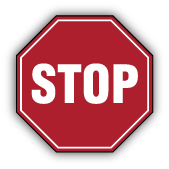 “Drive your car over to the stop sign when you want to stop reading to ask yourself a question. You can ask yourself questions like:
-
-
- ‘Does this part make sense?’
- ‘Do I need to slow down and think about it before I keep reading?’
- ‘What does this word mean?’
-
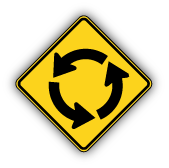 “Drive to the roundabout sign when you need to read something again.
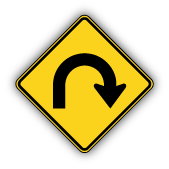 “Make a U-turn at the U-turn sign to show that you are using what you already know to help you.” For example, if your child is reading a nonfiction book about volcanoes, they might think back to a science experiment to help them understand how the lava erupts from the volcano.
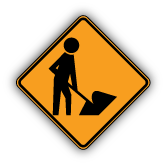 “Go over to the road work sign when you need to do some extra work to read a new word. Maybe you recognize smaller words, letters, and sounds in the new word.” For example, if your child gets stuck on a word while reading, they might use familiar letters or parts of a word to help them figure out what the word is.
Invite your child to start reading the book they chose. They can read aloud to you. Check in with your child after every page or two to see if they need to use a road sign. Some children read quickly through text and do not realize they don’t understand something until someone asks them a question. Other children spend their energy sounding out words so they are not able to think about the storyline or monitor their own comprehension. These strategies will help your child notice when they don’t understand what they are reading. Then, they can make changes that will help them become a better and more independent reader.
If your child does need a road sign, ask them which one they want to use and why. (Example: Your child might say, “I can’t remember the difference between lava and magma. I’m going to use the roundabout sign and read that part again.”) If they don’t need to use a sign, have them tell you what they just read or learned in their own words. Encourage your child to keep using the road signs as they continue reading.
When they finish the book, remind your child that they can use the reading road signs any time they read. Decide where you will keep the board for easy access.
TIPS
- It’s best to do this activity with a book your child isn’t familiar with because they likely understand a book they’ve read several times before.
- You might have your child practice using one or two road signs/fix-it strategies at a time.
- New readers are still learning how to “think about their thinking.” If your child is struggling to read or understand what they read, offer to read aloud to your child. Pause periodically to ask them if they need you to re-read something that didn’t make sense, if they have a question, if they want to look closely at the words, or if they want to talk about something they already know.
- There are other strategies your child can use to boost comprehension, like making predictions, making connections, making inferences, and creating mental pictures.
