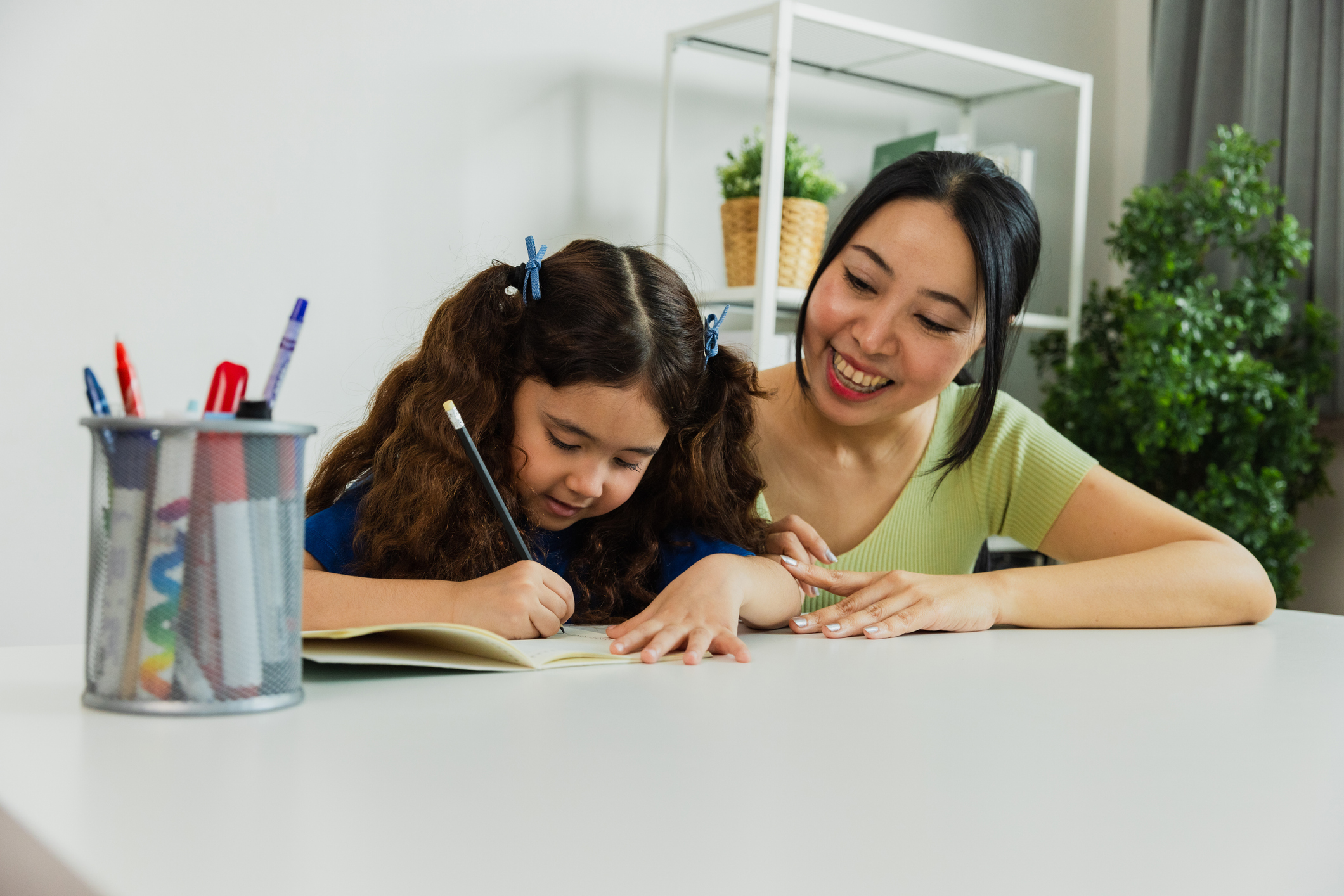
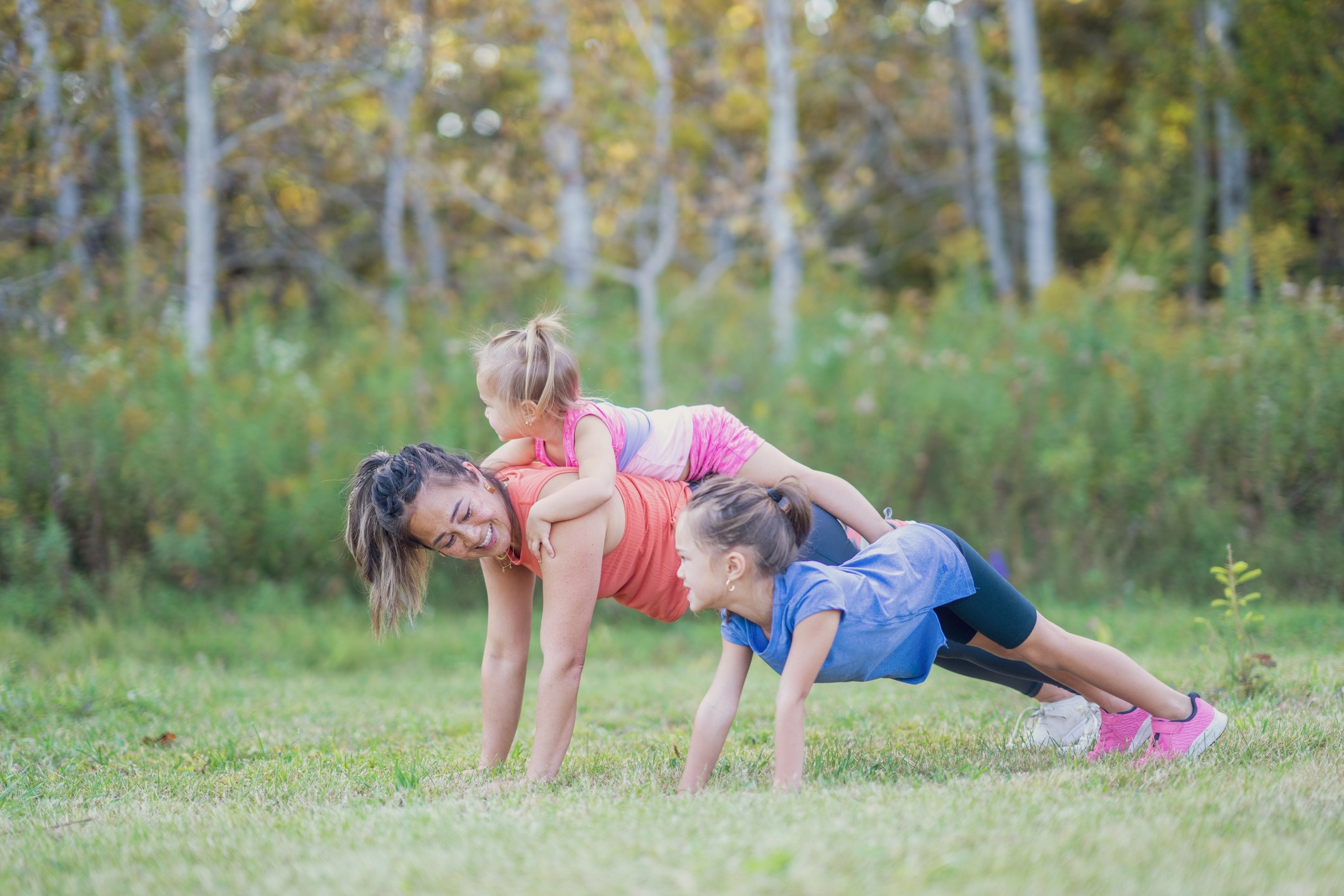
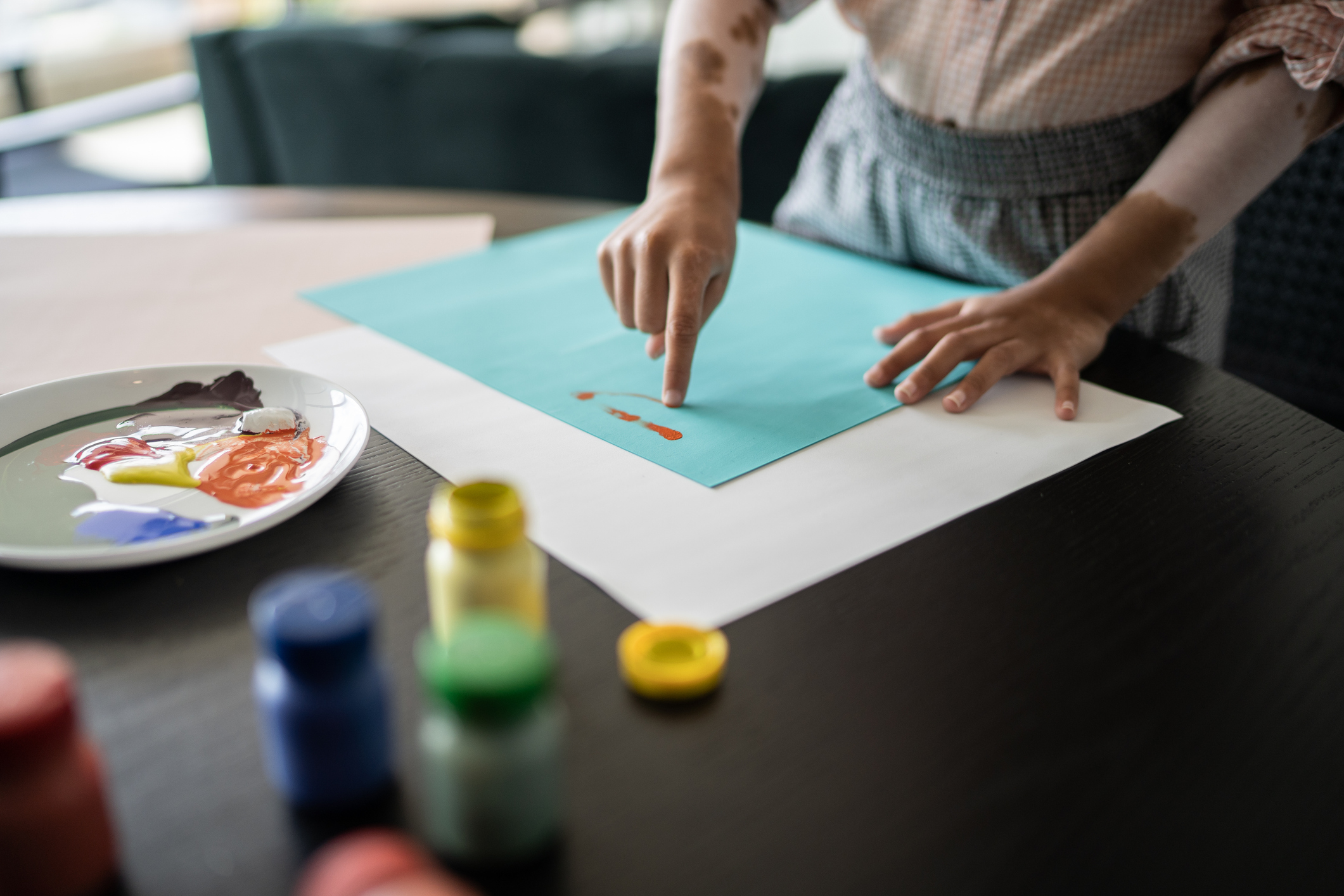
These activities turn everyday play into school-ready learning. Children can build listening and language skills, and develop a love of learning that will help them feel confident as they try new things.
Learning Objective:
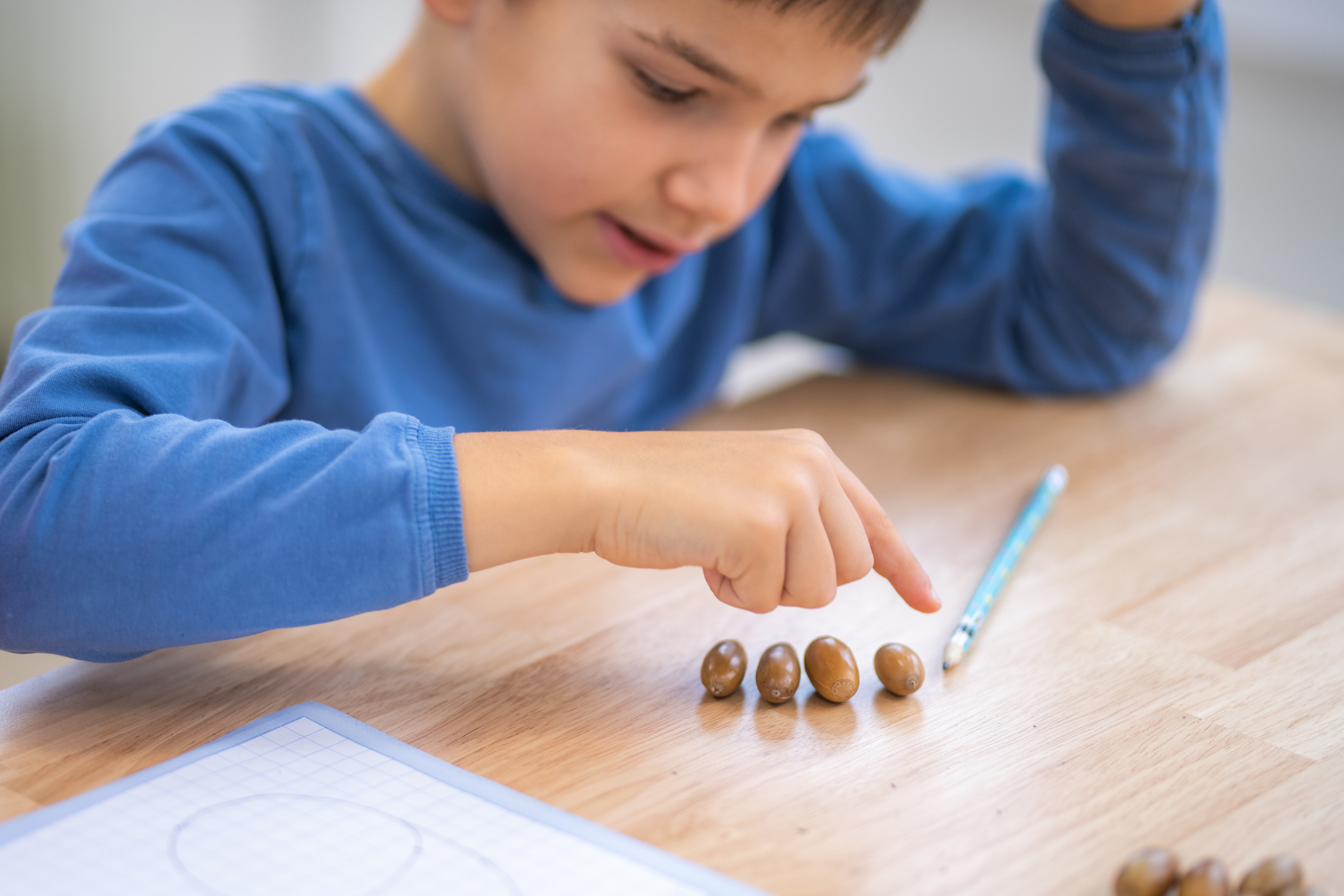
In this activity, your child will use interlocking blocks to begin to understand measurement and compare how long or tall common household objects...
Learning Objective:
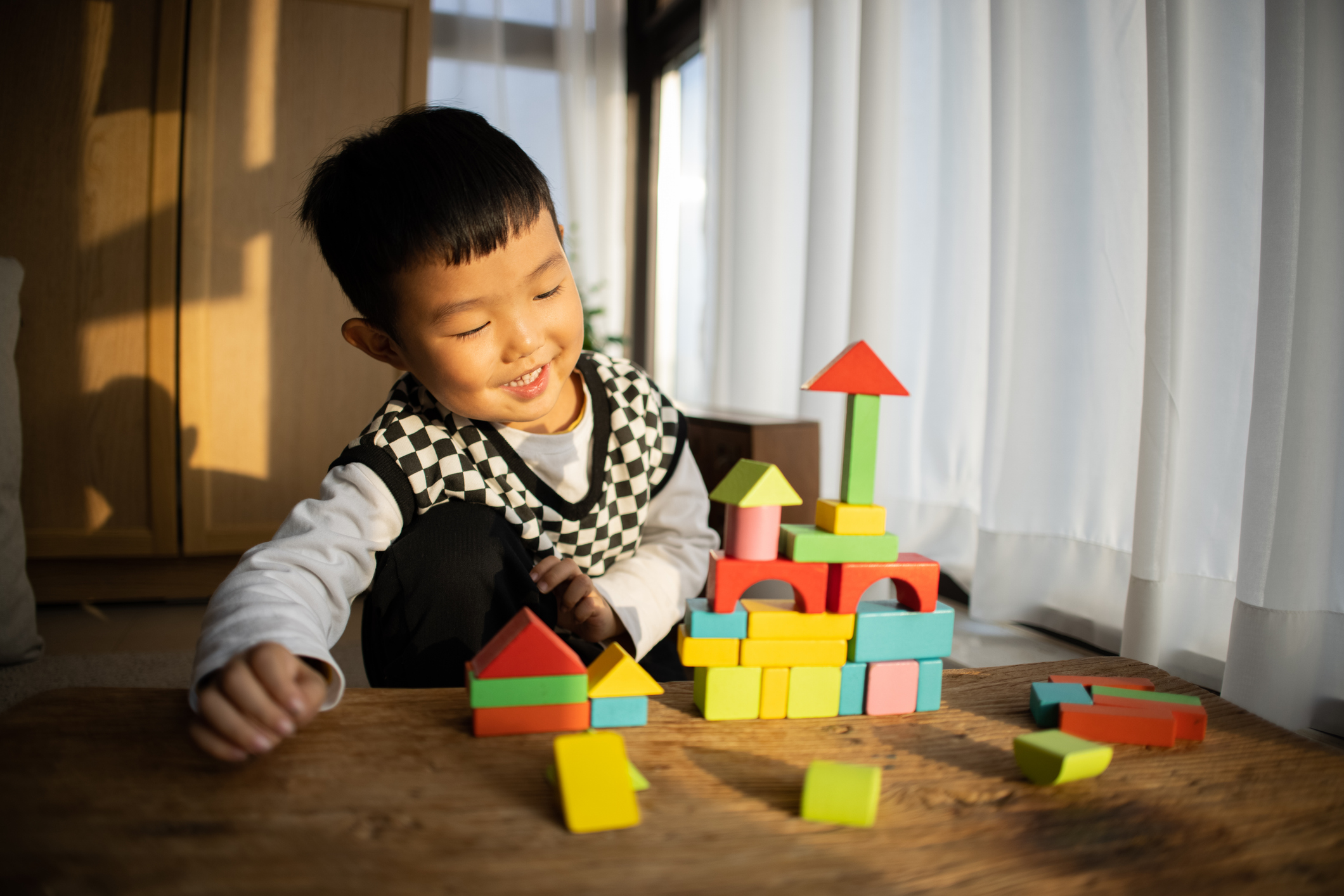
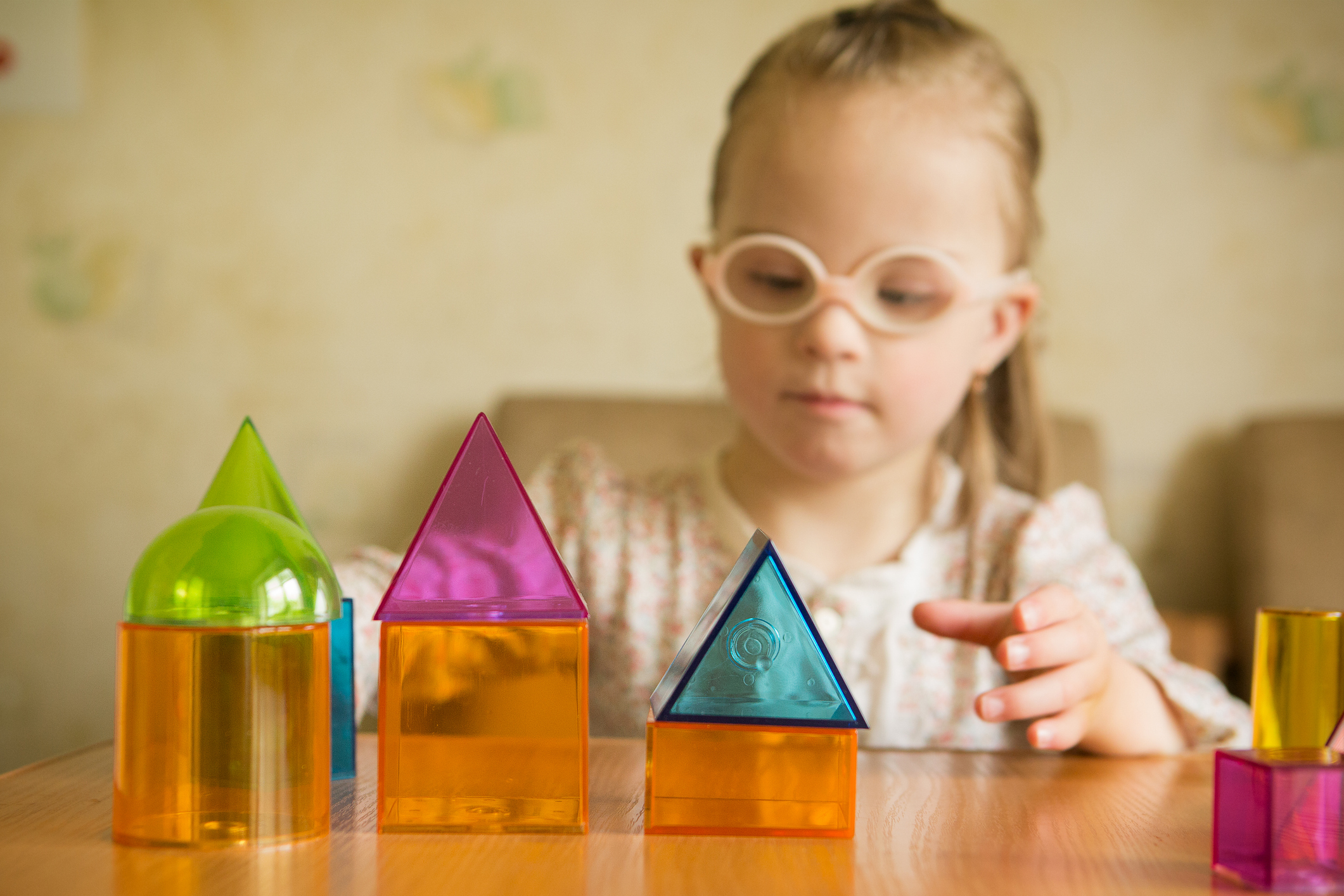
This building activity encourages children to recognize shapes and to use math-specific vocabulary to talk about a structure they are building.
Learning Area: Reading and Writing, Sensory and Art
Learning Objective:
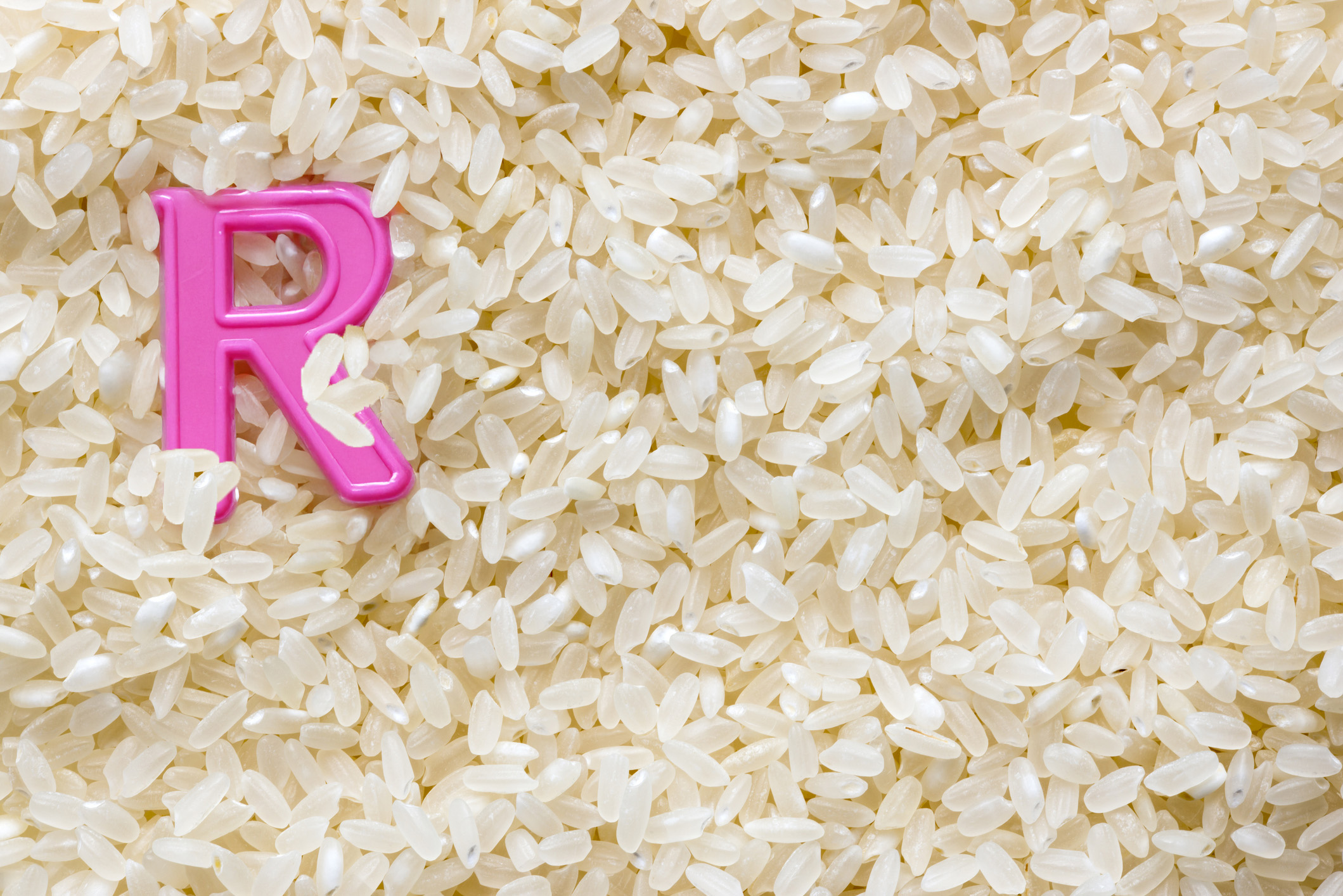
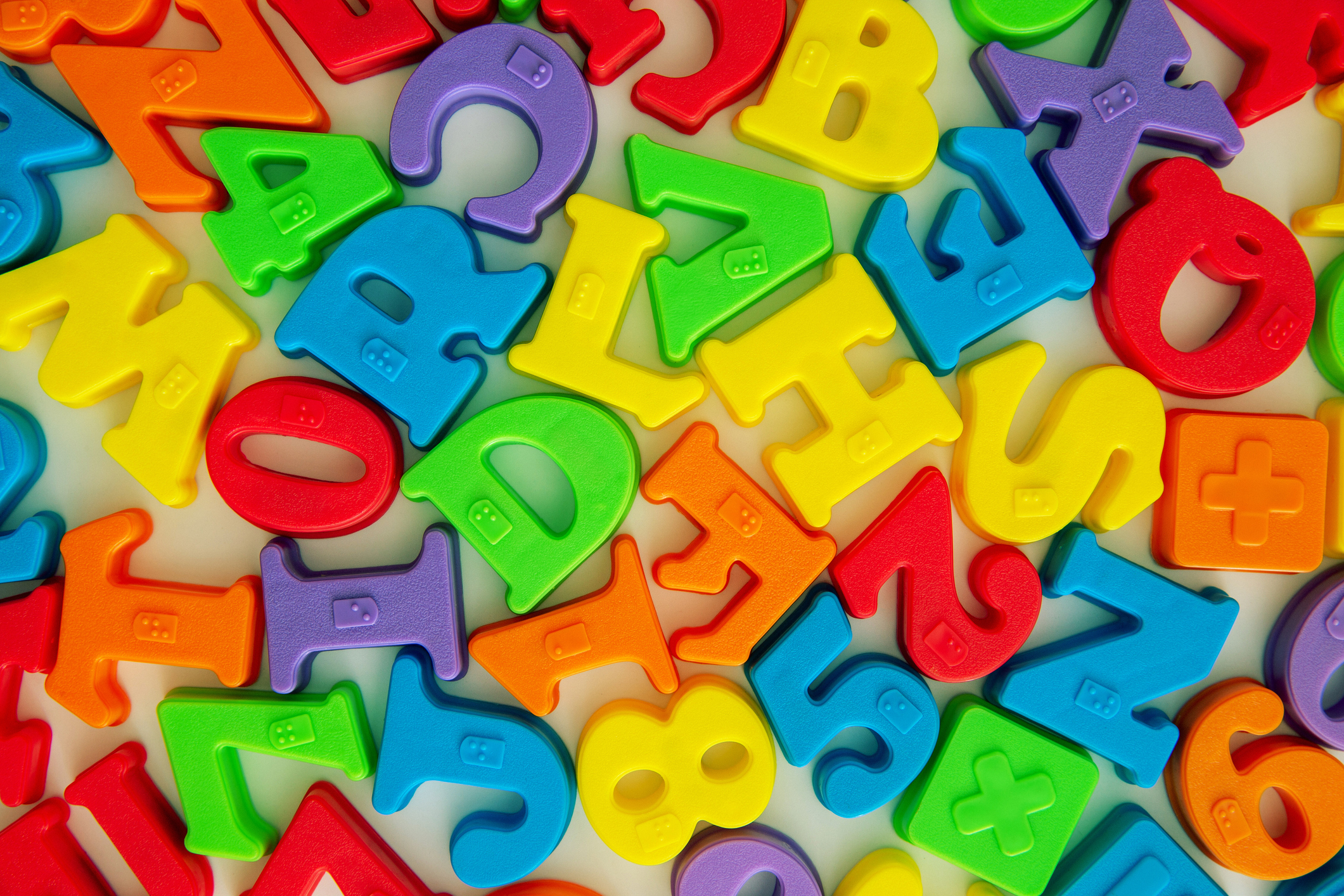
In this game, children will practice naming letters and their associated sounds through a game of finding buried letters. Working with letters helps...
Learning Objective:
Using the family/household calendar, your child will count the number of days until a special event. Your child will also begin to recognize that...
Age Group: 3 years old, 4 years old, 5 years old, 6 years old
Learning Area: Reading and Writing
Learning Objective:
You will make a simple journal for your child and encourage him to write or draw about people and experiences he would like to remember.
Learning Objective:
The child will feed a monster by choosing the plate of food that has more. (A login is required for your child to complete this online activity.)
Learning Objective:
Children will play "I Spy" with letters in words displayed in their surroundings. This activity will reinforce letter knowledge and letter sounds in...
Learning Objective:
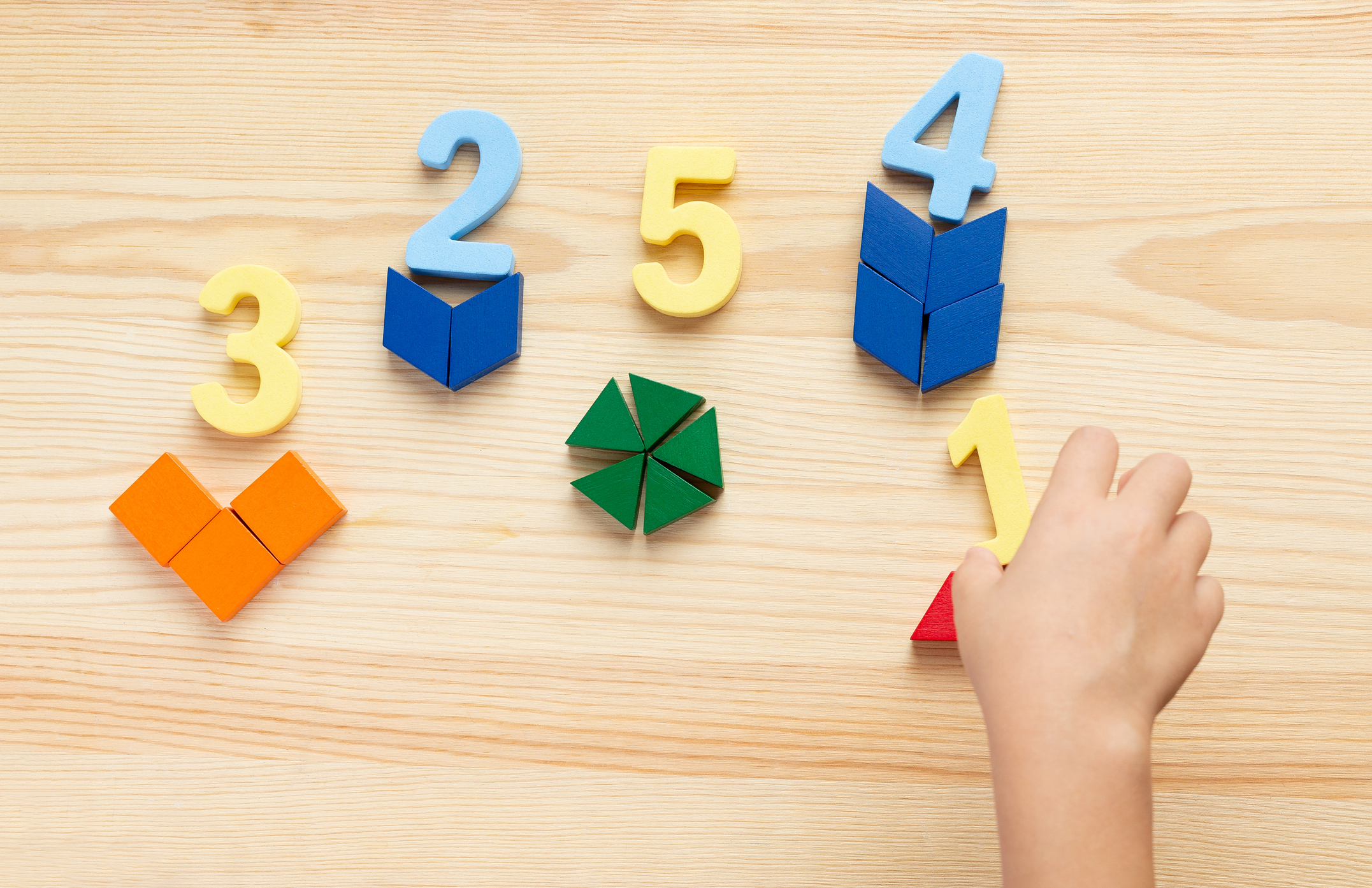
In this activity, your child will play a game to practice identifying numbers from 0-10. Children who have mastered this skill will practice ordering...
Learning Objective:
This activity helps children recognize the letters of the alphabet, become familiar with the sounds each letter makes, and identify where in the...
Learning Objective:
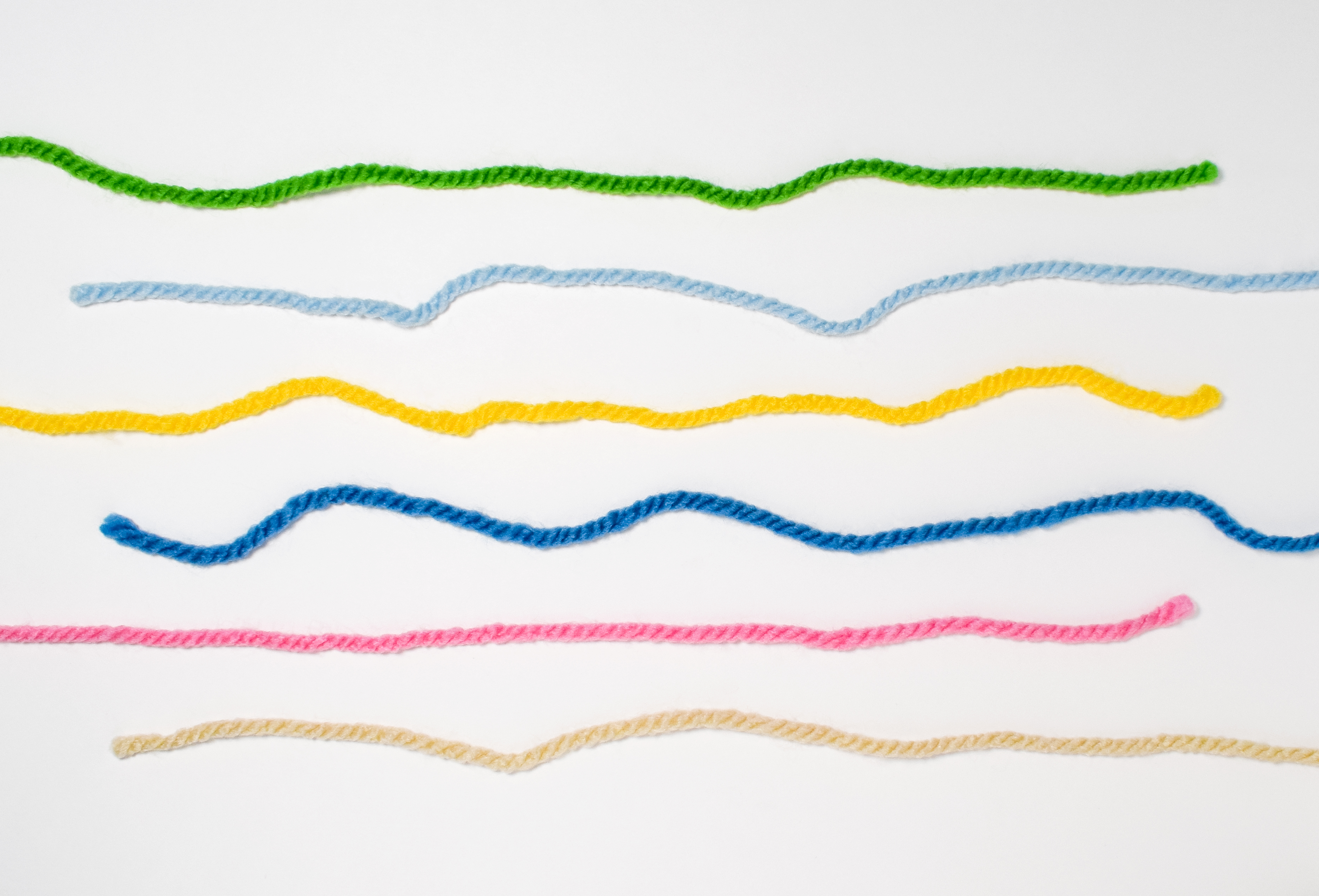
In this activity, your child will use pieces of yarn as “snakes” to practice the math skills of comparing lengths of objects and arranging them...
Learning Objective:
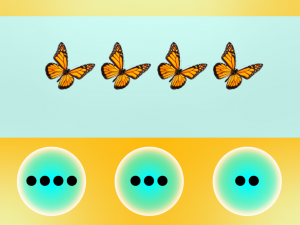
The child will make equal sets by taking items away from one group. (A login is required for your child to complete this online activity.)
Learning Objective:
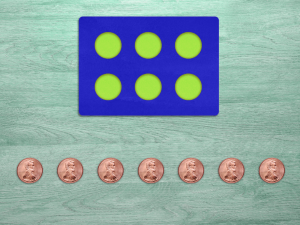
The child will practice one-to-one correspondence by making sets of six. (A login is required for your child to complete this online activity.)
Learning Area: Language and Communication, Reading and Writing
Learning Objective:
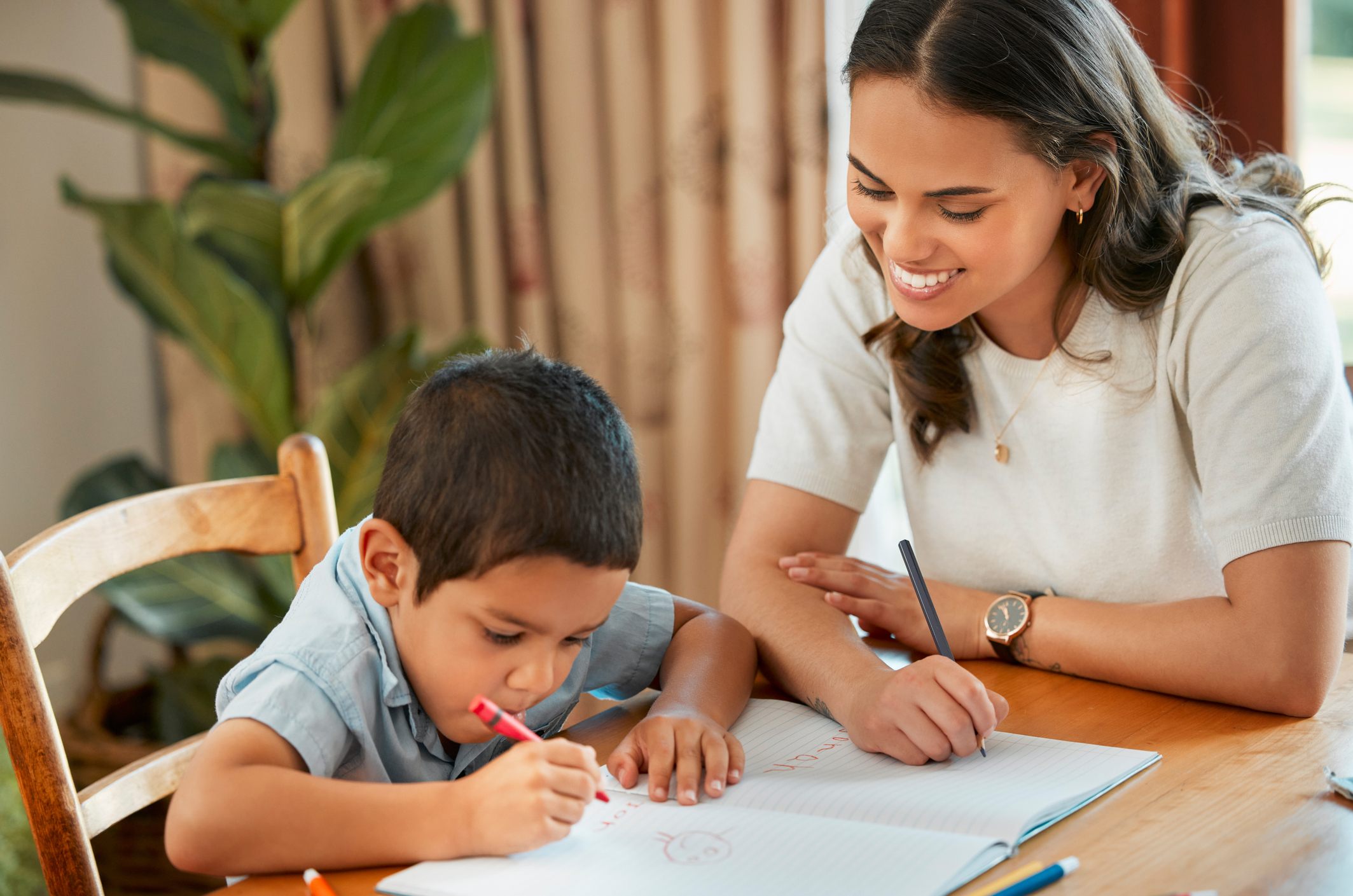
In this activity, your child will write about a personal experience or memory by dictating to you and then illustrating the memory.
Learning Area: Reading and Writing, Physical Development
Learning Objective:
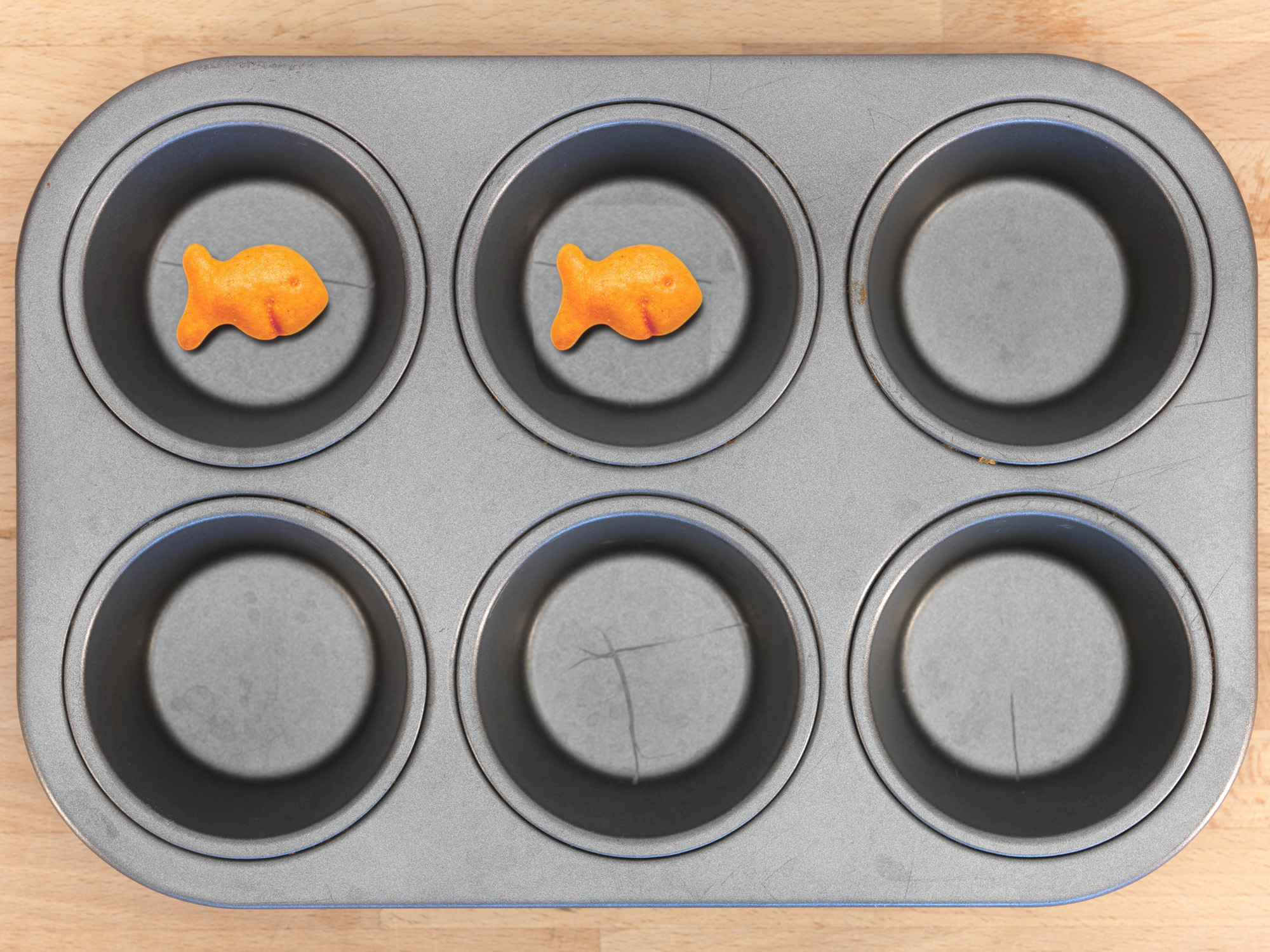
Your child will name the letters of the alphabet, and recognize words that begin with those letters, as they toss a soft ball into a muffin tin.
Learning Area: Reading and Writing, Social and Emotional
Learning Objective:
Your child will increase self-awareness and learn about parts of the human body, as well as how they work, by reading a book and reciting a chant...
Learning Area: Reading and Writing, Physical Development
Learning Objective:
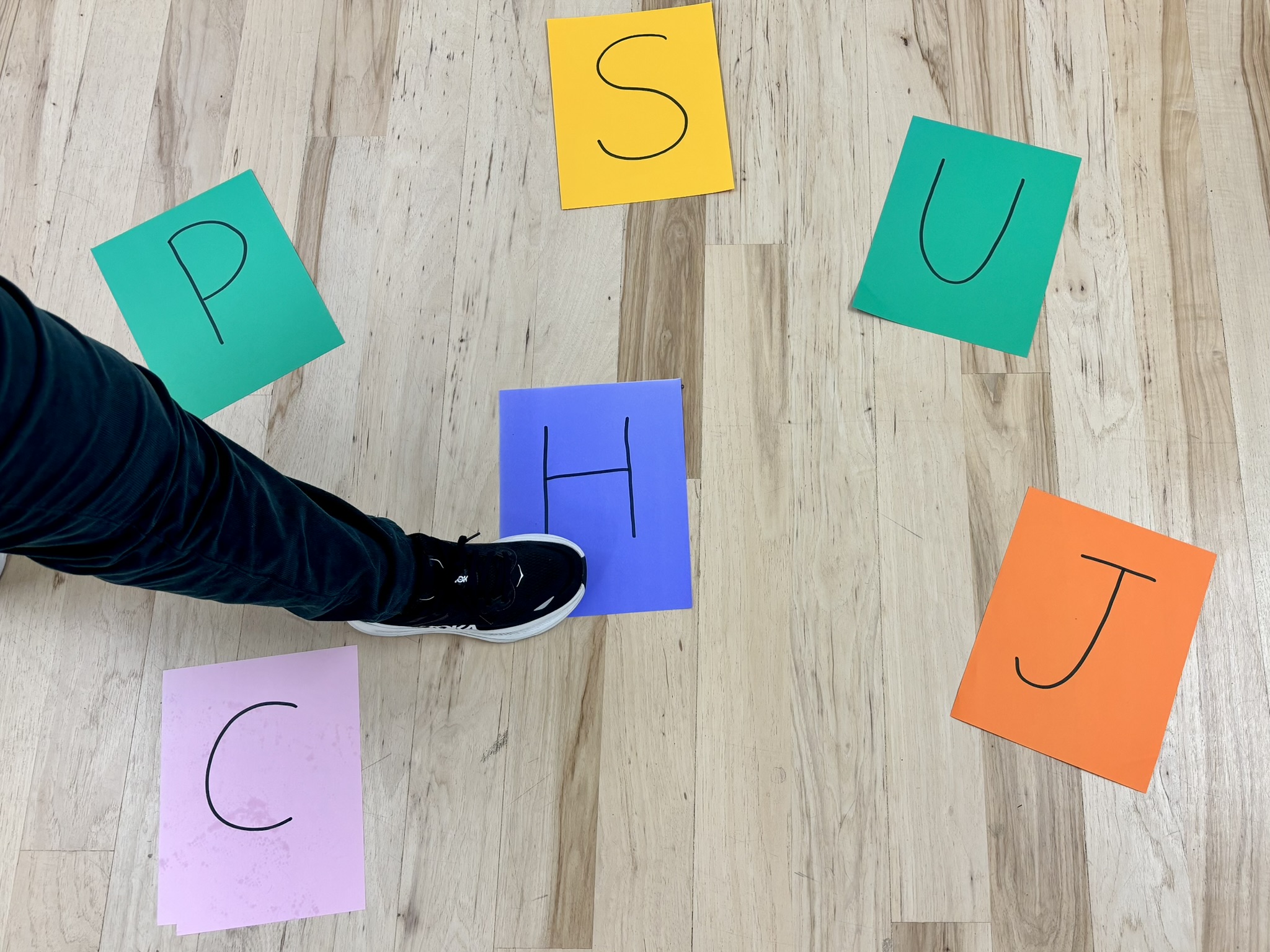
In this activity, your child will become more familiar with the letters and spelling of his name, and practice gross motor skills, by jumping on each...
Learning Objective:
Learning to identify numbers and to count with one-to-one correspondence (that is, to say one number in correct order for each item) are important...
Learning Objective:
In this activity, your child will play a game to practice counting up to 10 items and understand that the last number she says tells how many items...
Age Group: 24-36 months, 3 years old, 4 years old, 5 years old
Learning Area: Language and Communication, Reading and Writing

Learning Objective:
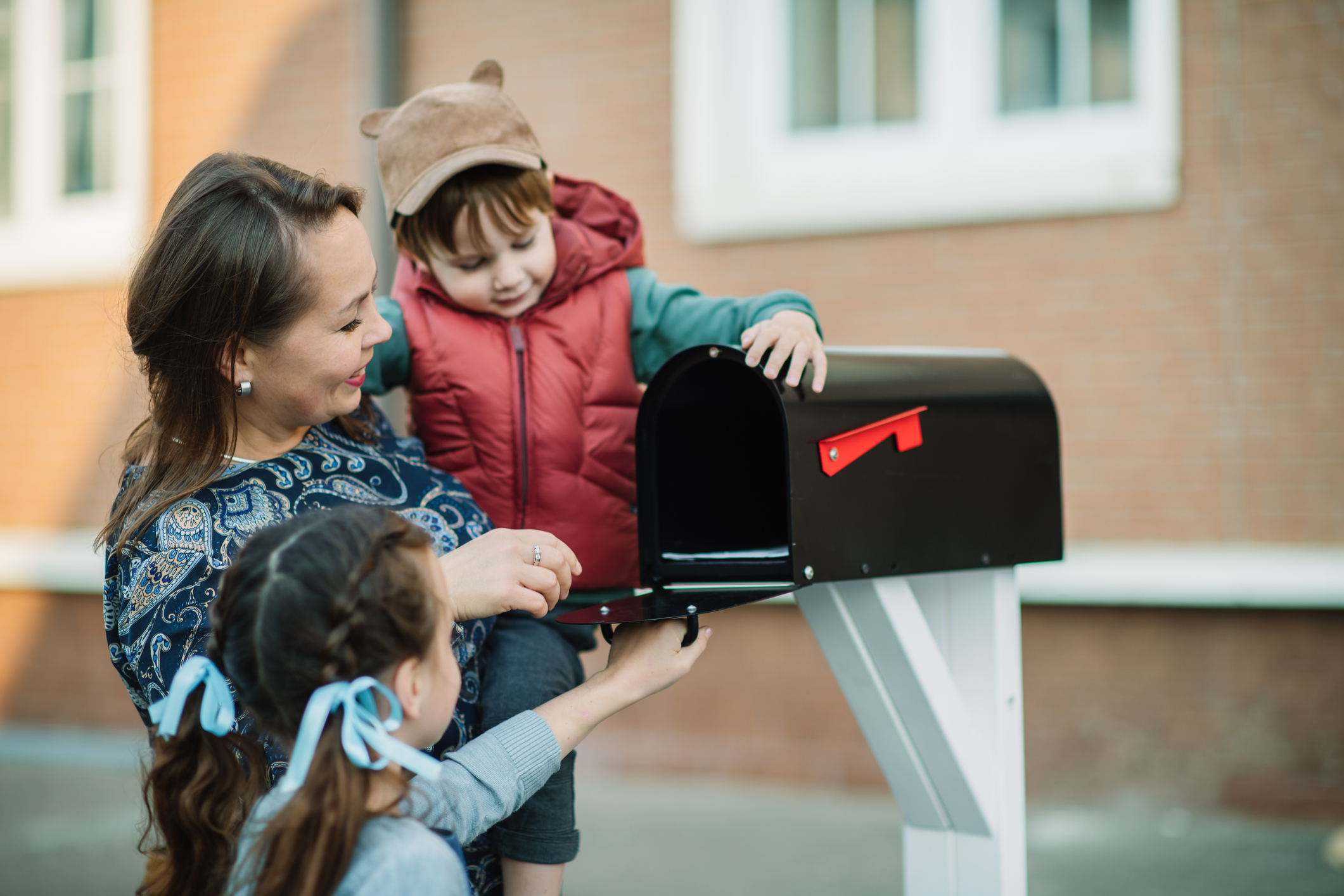
Introduce your child to letter writing and early literacy concepts by playing Post Office. Your child will compose or dictate mail, talk about who...
Learning Area: Language and Communication, Reading and Writing

Learning Objective:
In this activity, you will help your child practice putting sounds together to form words. This is a pre-reading activity. It is important to only...
Learning Objective:
In this game, your child will use pictures and real objects to practice identifying different shapes. Learning about shapes and how to describe them...
Learning Objective:
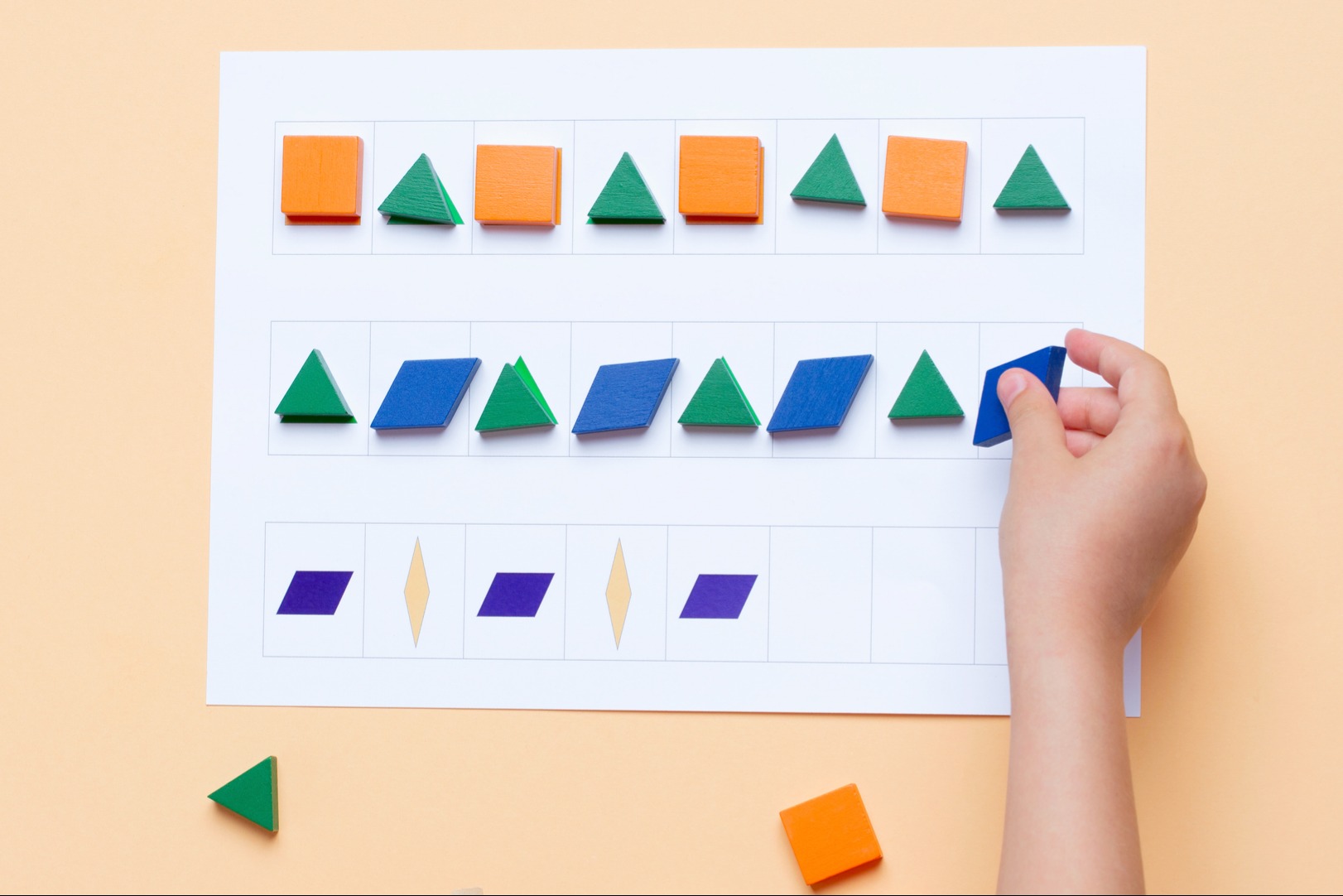
In this activity, children identify shapes and use their features to sort them into “like” categories. Sorting is a foundational math skill for...
Learning Area: Language and Communication, Reading and Writing

Learning Objective:
This activity encourages your child to practice “writing” letters in the air. By using larger motions with their fingers and forearms, they are...
Learning Objective:
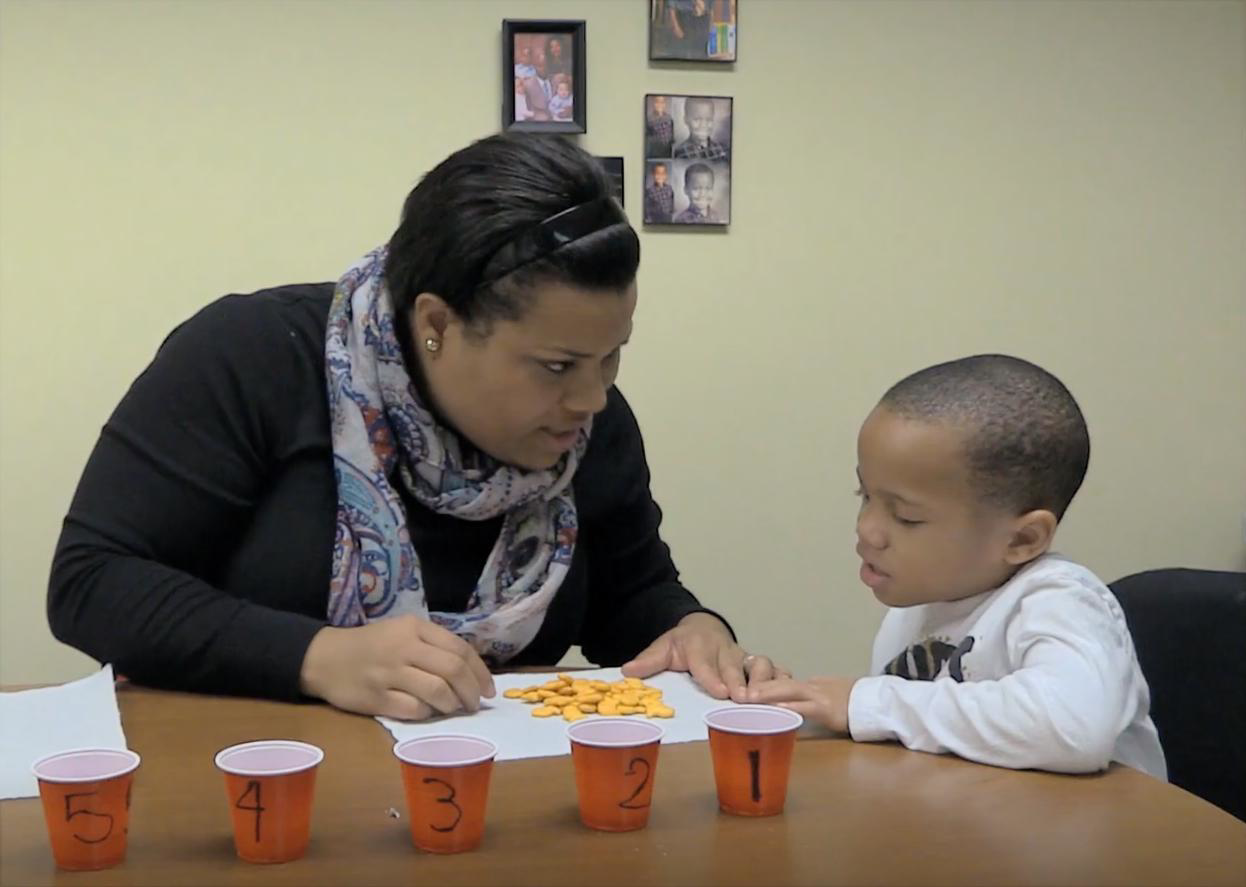
Using cereal or another snack food, your toddler can practice early math skills like counting and one-to-one correspondence, and he can improve fine...
Age Group: 3 years old, 4 years old, 5 years old, 6 years old, 7 years old
Learning Area: Language and Communication, Reading and Writing
Learning Objective:
In this game, your child will listen carefully for sounds in animal names and put the sounds together to make the word. Separating and blending...
Learning Area: Language and Communication, Reading and Writing
Learning Objective:
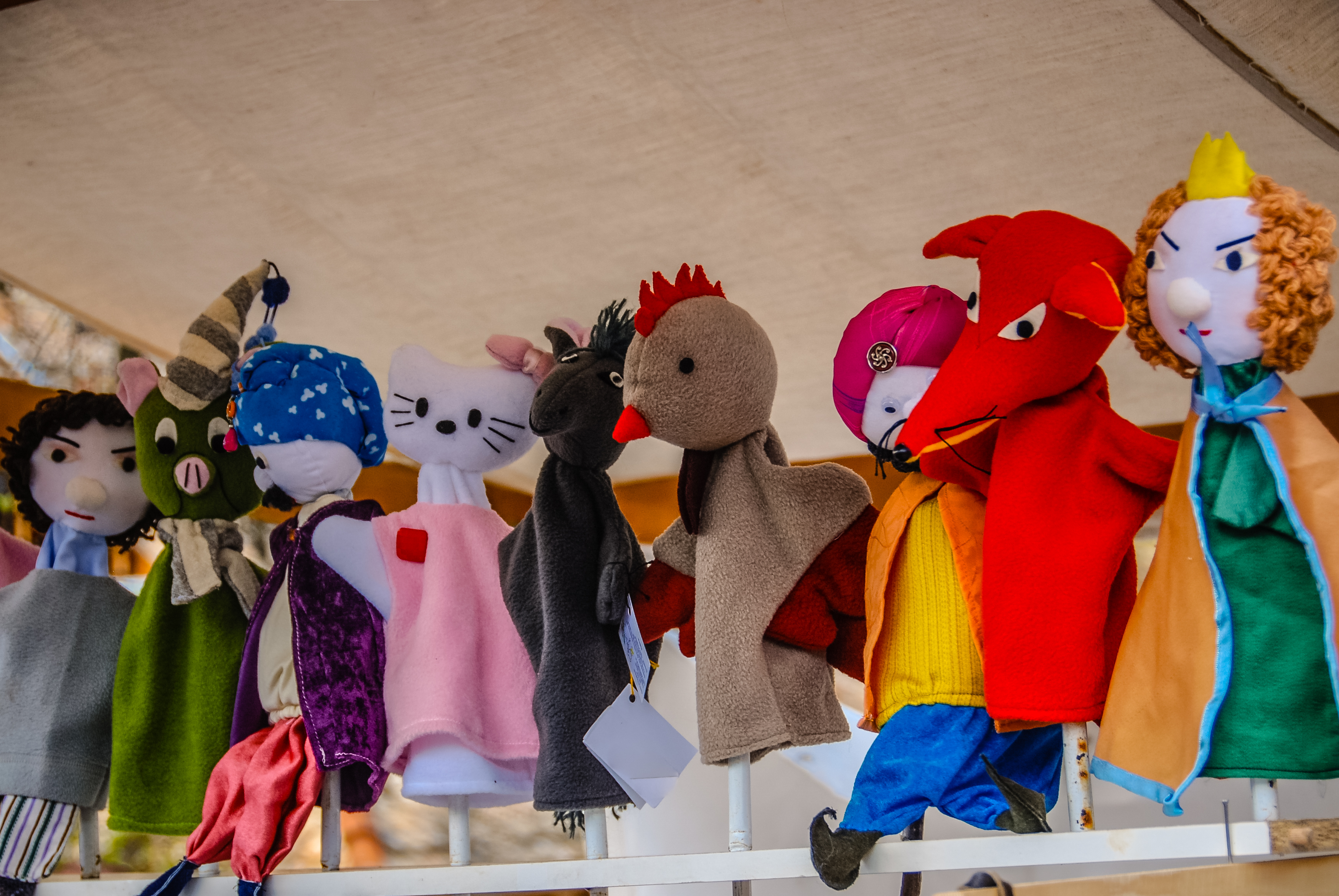
Increase your child’s understanding and language skills by using visual aids while retelling a story. In this activity, puppets and props are...
Learning Objective:
In this activity your child will play a game to practice sorting objects into groups of things that are similar. The objects may share several...
Learning Objective:
In this activity, you will help your child to identify syllables in spoken words by clapping for each syllable. Being able to hear and identify...
Learning Objective:
In this activity, you will help your child identify whether two words rhyme. Understanding rhyming is part of phonological awareness, an important...
Learning Area: Language and Communication, Reading and Writing
Learning Objective:
In this activity, you will help your child identify rhyming words in familiar nursery rhymes and produce additional words that rhyme.
Learning Area: Reading and Writing, Physical Development
Learning Objective:

The child will use a dry erase board and a cotton swab (or a chalkboard and a wet paintbrush) to trace and erase letters and drawings.
Learning Objective:
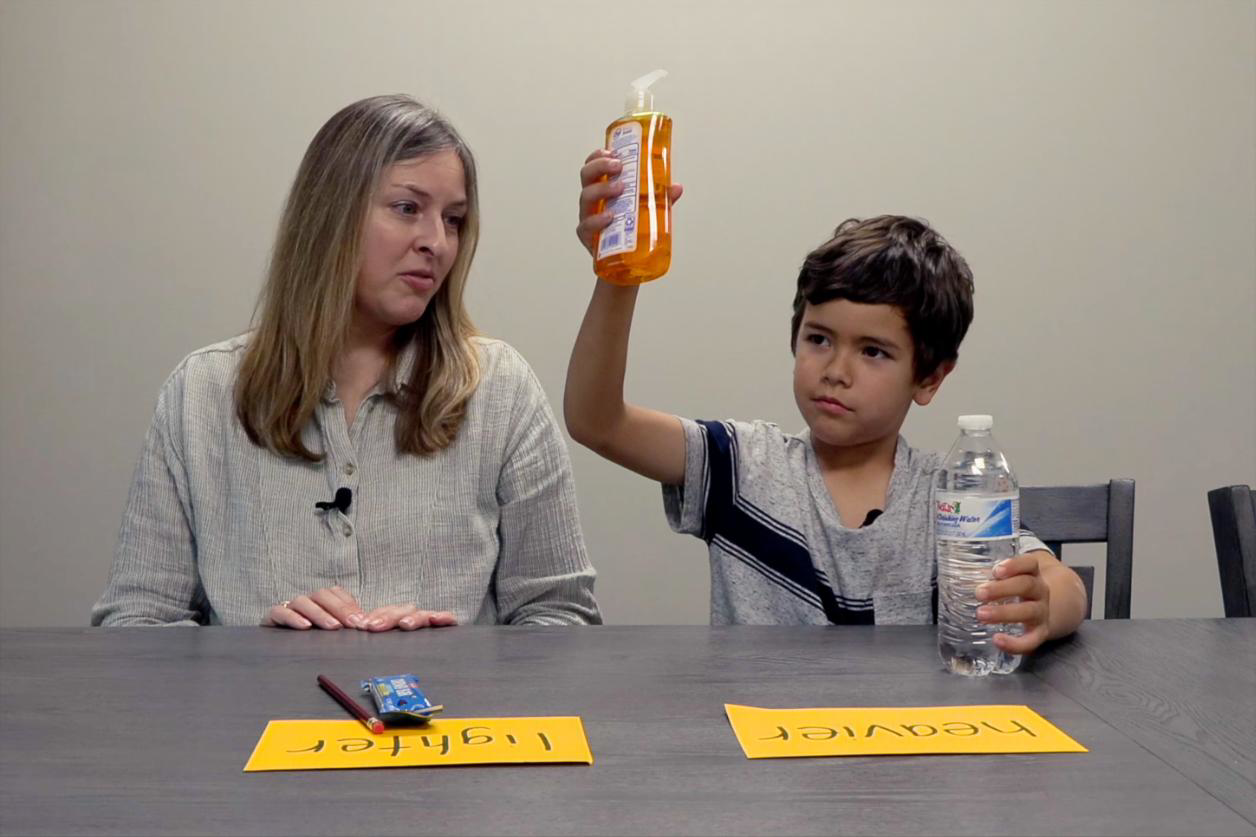
To introduce the concept of weight, this activity uses a filled water bottle as a comparison tool to determine how much things weigh. The question...
Learning Objective:
In this activity, you will help your child practice counting skills, compare amounts by using objects, and understand the concepts of more and less.